A gentler kind of day,
starting with one warm meal
No big resolutions today — just a few easy things anyone can keep on the kitchen table: familiar ingredients, and small rituals that fit quietly into an ordinary afternoon.
Written for World Heart Day · Autumn
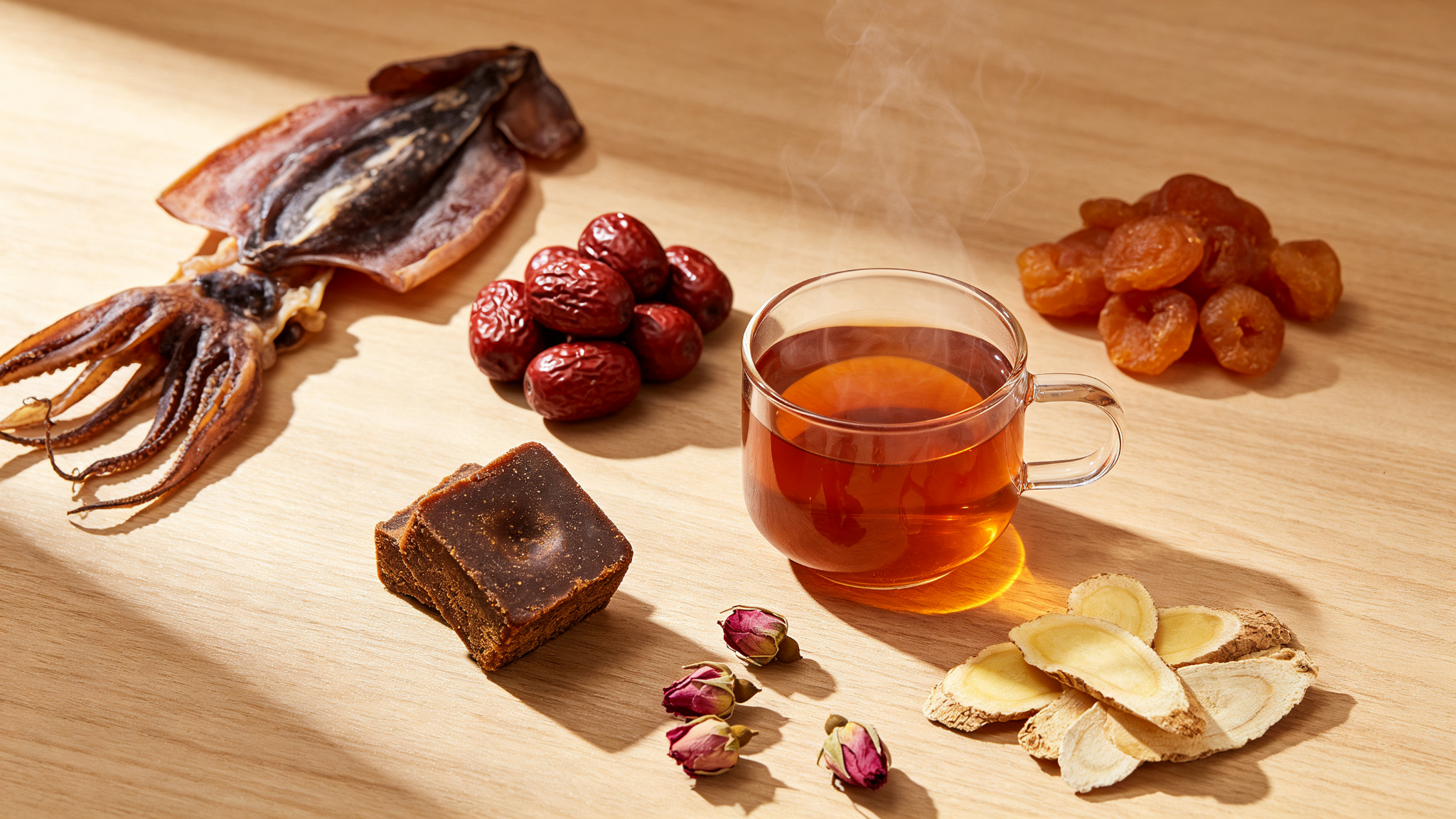
The hardest-working part of us
If the body were a small kingdom, the heart would be the one running it — endlessly, and often unnoticed.
Published reports on cardiovascular health in China list cardiovascular disease among the leading causes of death — roughly two in every five deaths. It is a quiet reminder that everyday care matters.
Many of us have also felt our energy change in recent years: breathless after a short climb, restless at night, tired more easily than before. The body has its own way of asking us to slow down.
Caring for yourself does not require rebuilding your life. In Chinese food tradition the answer has always had two halves — nourishment from the daily table, and comfort from small daily habits.
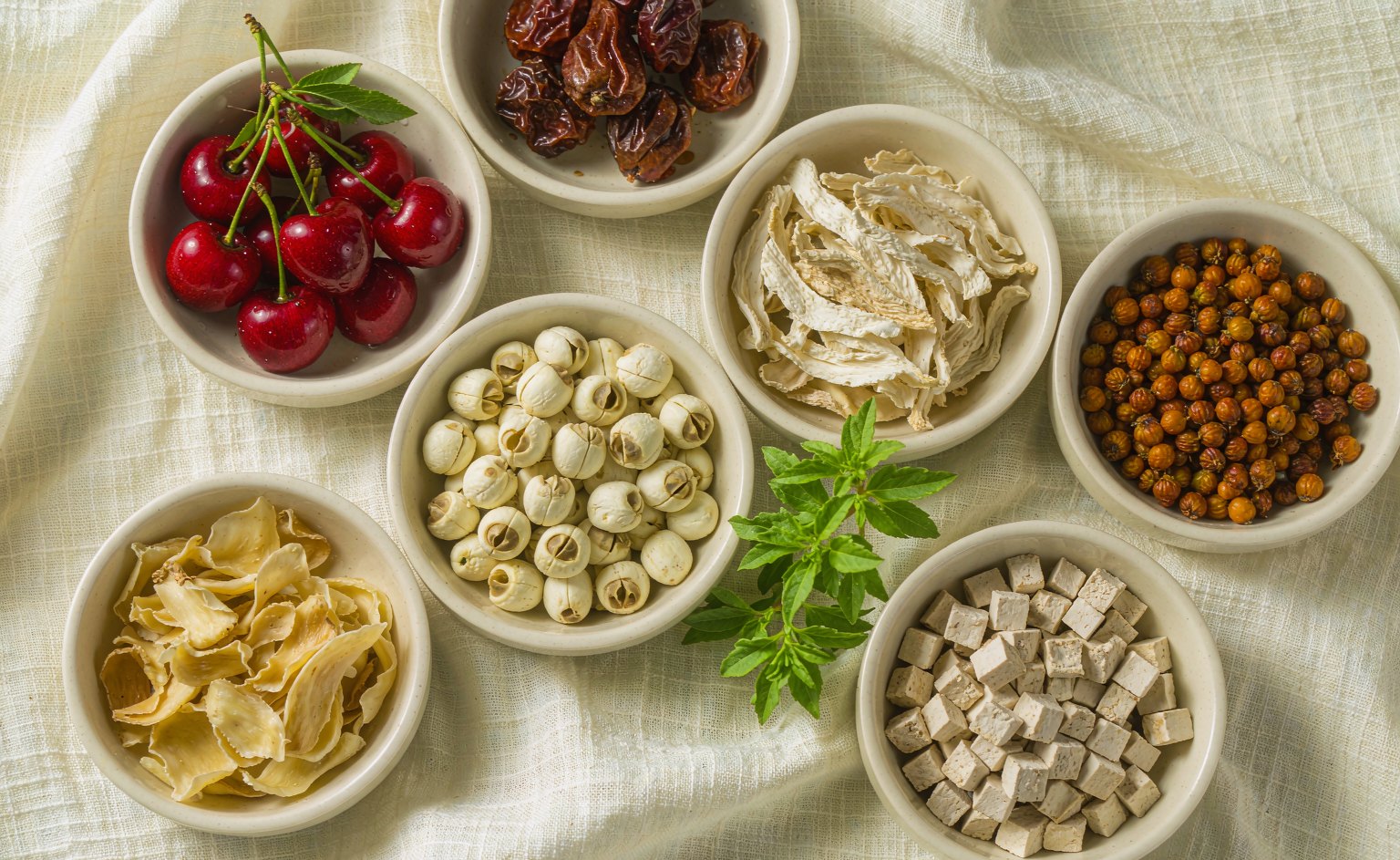
Three easy heart-warming ingredients
All of them come from the greengrocer, the dried-fruit stall or the herbal counter — the everyday shelves of a Chinese kitchen.
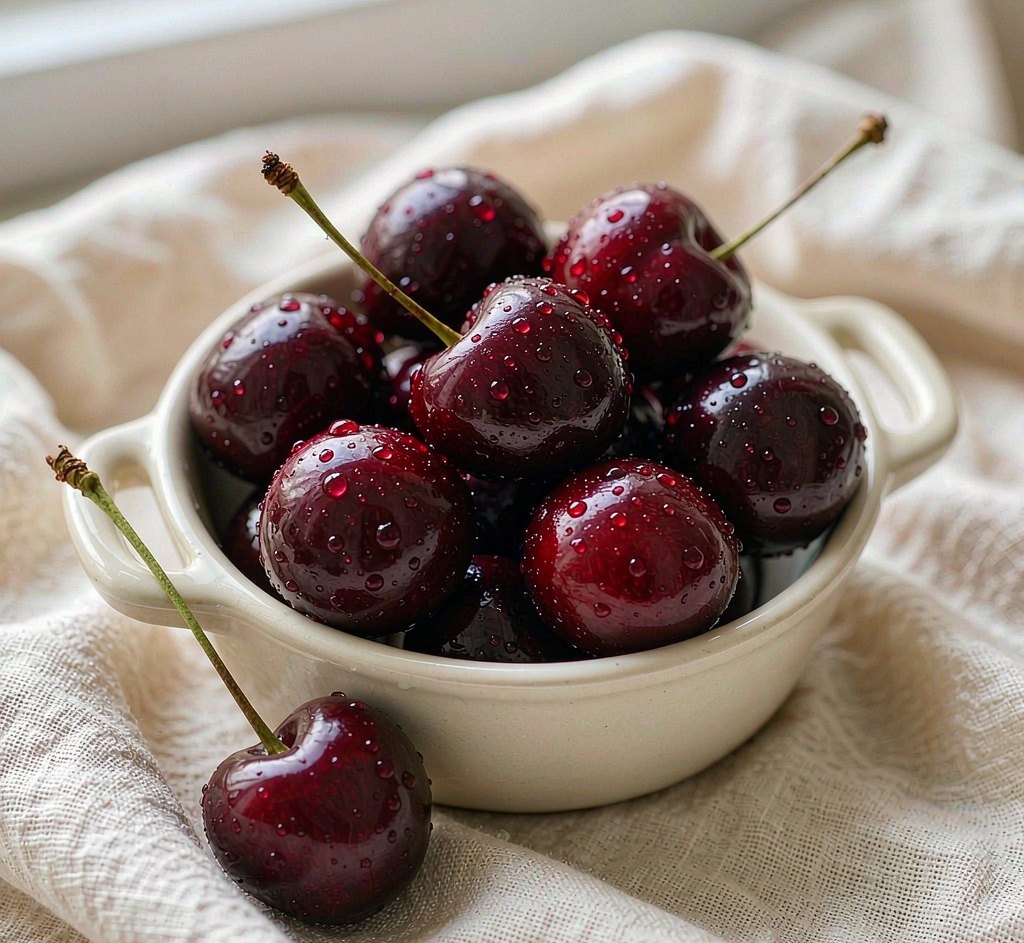
Cherries · the "comfort fruit"
In folk food tradition, cherries are often called a fruit of the heart, associated with warmth and good spirits — a cultural saying, not a medical claim.
On the simpler level that matters most: they are juicy, sweet-tart and bright, exactly the kind of bowl that makes an autumn afternoon feel kinder.
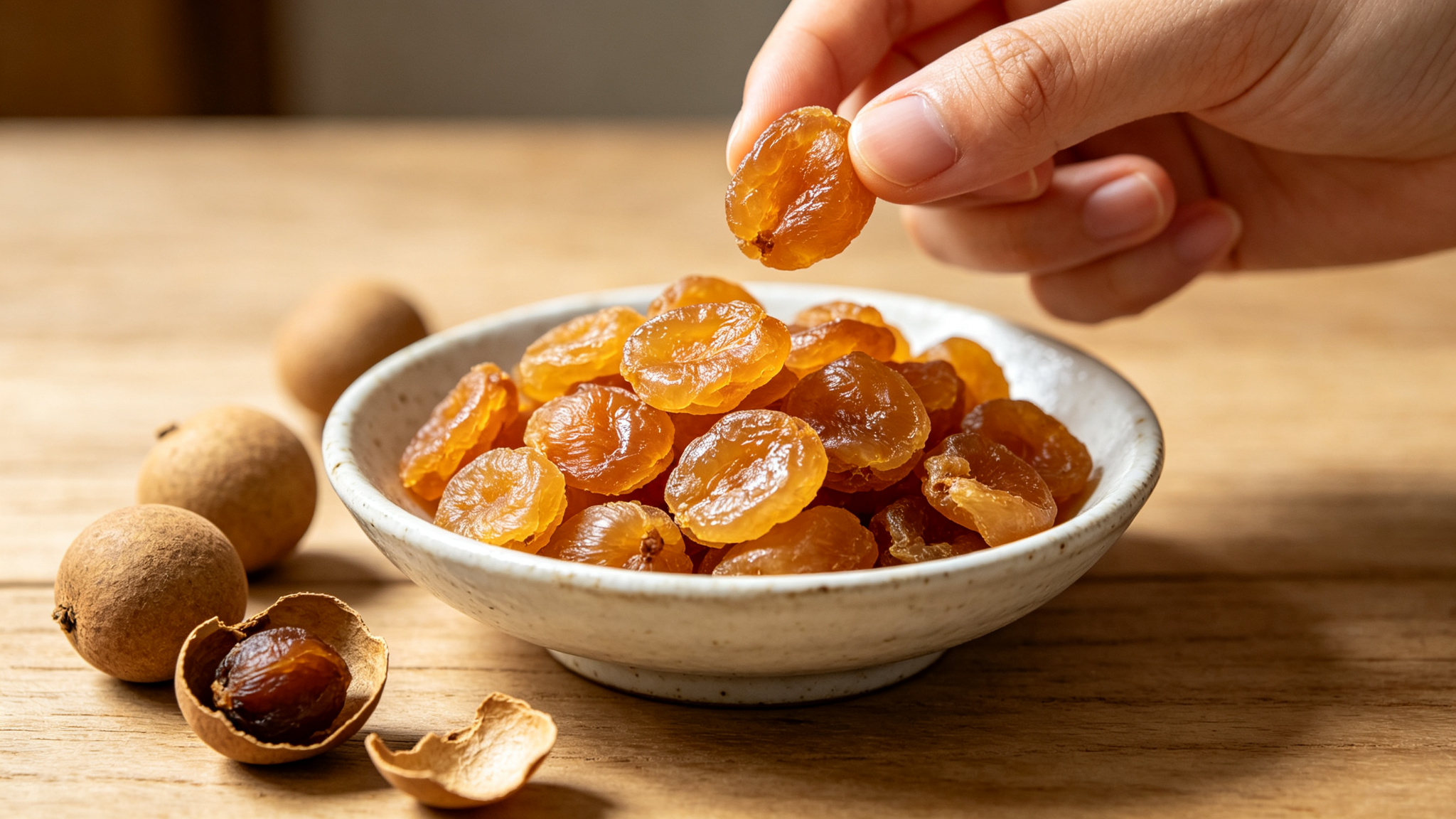
Longan · "ginseng of the south"
Dried longan is the quiet star of autumn and winter sweet soups. A well-loved folk saying calls it the ginseng of the south, and in traditional food culture it is linked with warmth and comfort.
Drop a few pieces into congee, tea or a pot of simmering soup and the whole bowl turns mellow and gently sweet.
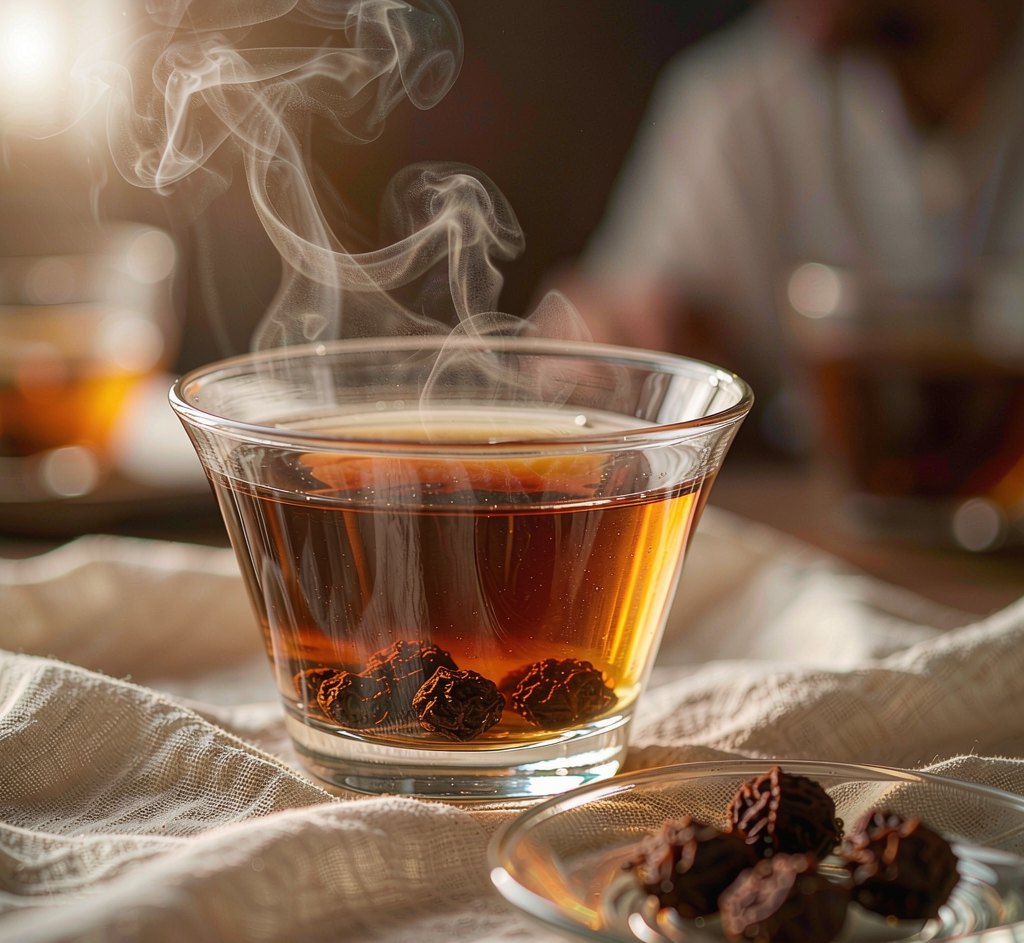
Schisandra · five flavours, one berry
Schisandra takes its name from the five tastes it carries: sour, sweet, bitter, pungent and salty. In traditional food culture, people like to steep it through the changing seasons.
A cup of amber schisandra water — lightly sour, faintly sweet at the end — is a quiet autumn habit for many who follow seasonal eating.
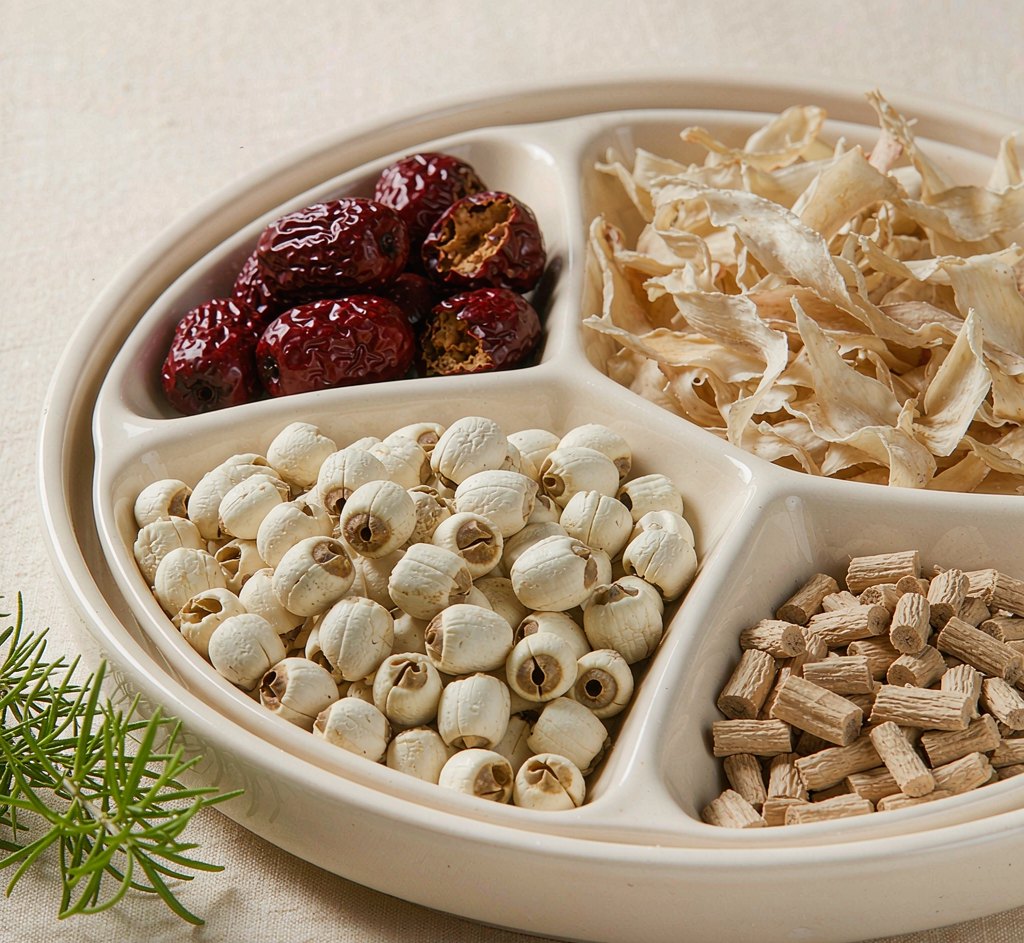
Four gentle pantry companions
In Chinese food tradition, ingredients rarely stand alone — they travel in company.
- Lotus seeds & lily bulbs — mild and soothing, a handful in a sweet soup makes a familiar autumn dessert.
- Red dates — sweet and endlessly versatile: in congee, soup or a pot of tea.
- Solomon's seal (huangjing) — a traditional food-and-herb ingredient often added to slow-simmered soups.
- Poria (fuling) — a long-standing food-culture ingredient, just as at home in congee as in light pastries.
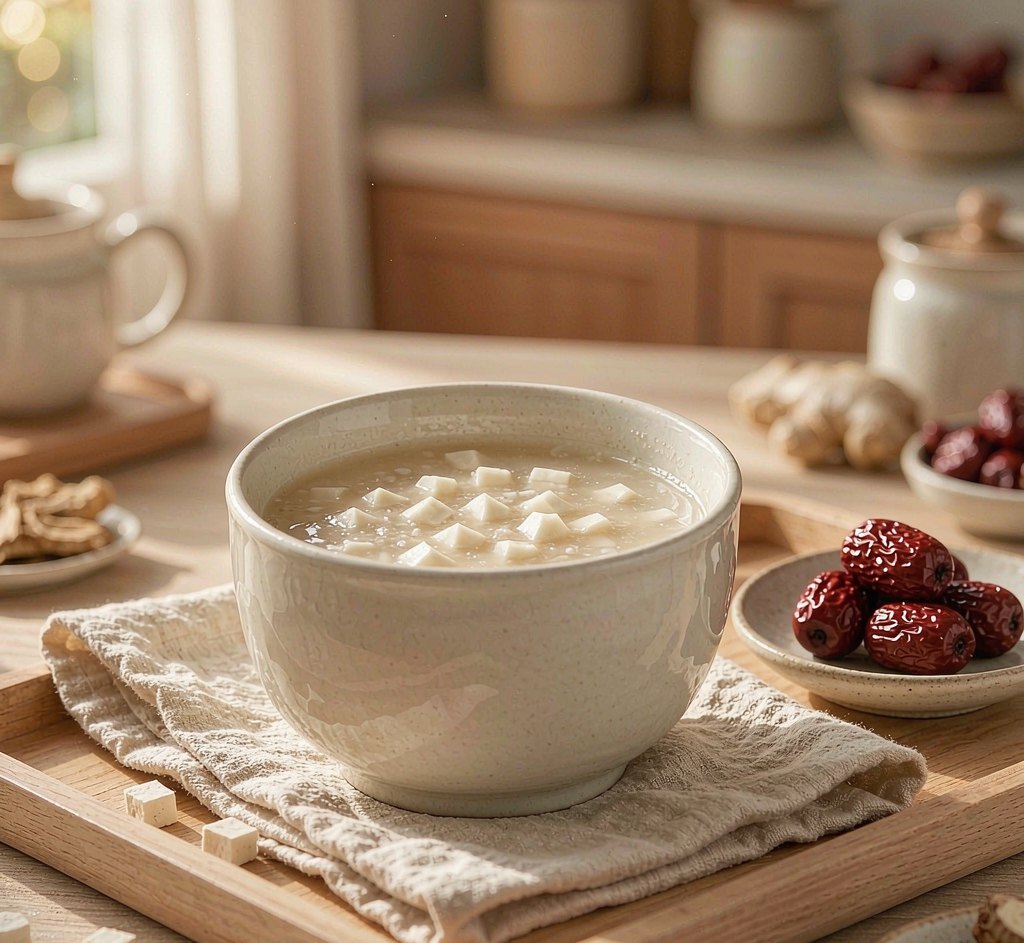
The "3-1-10" folk routine
A handy folk saying runs: 3 minutes of midday rest, 1 minute on an acupressure point, 10 grams of poria a day.
Ten grams of poria is a small pinch. Tucked into congee or soup it is mild, almost invisible — and for many people it is the easiest part of the routine to keep.

Three quiet minutes at noon
Traditional wellness culture links the midday hours with the heart, and sees pushing through exhaustion at that hour as the thing to avoid.
The practice is simple: after lunch, close your eyes for three minutes. A short nap is even better if the day allows it — and if it doesn't, a few quiet minutes with your eyes closed cost nothing at all.
Three small things, done gently
The full "3-1-10" routine: three minutes, one minute, ten grams — under five minutes in total.
Rest for 3 minutes
Avoid: pushing through · Try: eyes closed · Best: a short nap
Midday is the hour traditional culture reserves for stillness. Even putting the phone down and closing your eyes for three minutes gives the body a moment to breathe.
Press for 1 minute
The "Shenmen" point, on the inner wrist, once to three times a day
It sits in the hollow on the little-finger side of the wrist crease — a spot often mentioned in traditional massage culture. Press gently in small circles for a minute, breathing slowly.
Eat 10 g of poria
A small pinch, added to congee or soup
Poria is a traditional food-culture ingredient with a mild taste. Added to the day's congee or soup, it asks nothing of your cooking skills.
A little extra, depending on the person
Folk tradition adds small variations: if you exercise a lot, keep your knees warm in autumn; if your days are long on screens and short on rest, protect the midday pause. Saffron tea appears in some traditions in very small amounts — if you are pregnant, breastfeeding or taking medication, please consult a professional first.
Warm knees, warmer days
Traditional external-care culture speaks of the heart and the knees being connected. Many people notice their knees complain first in middle age — and comfortable knees simply make it easier to keep walking. A pair of knee warmers is an easy, unglamorous kindness.
About pressure points and folk patches
Three often-mentioned spots
Neiguan (about three fingers above the wrist crease), Laogong (the centre of the closed fist) and Danzhong (midway on the chest) appear often in traditional massage culture. Use them as relaxation spots — gentle pressing only.
The gardenia hand patch is folk lore
A traditional external practice blends gardenia, peach kernel, apricot kernel and white pepper into a paste. It belongs to folk culture, is not a medicine, and is no substitute for professional care.
Read this before trying
If your skin is sensitive, test a small patch first. Do not use during pregnancy or breastfeeding without professional advice. Stop at once if any redness or itching appears — and for anything that feels wrong, see a doctor.
Four things to read first
- This page shares traditional food culture and everyday habits for inspiration only. It is not medical advice, diagnosis or treatment.
- If you are pregnant or breastfeeding, caring for an infant, living with a chronic condition or taking medication, please consult a professional before trying any traditional ingredient.
- Schisandra, saffron and similar items belong to the traditional herb shelf — try them sparingly and in the traditional way, and stop if anything feels off.
- If something in your body feels wrong, see a doctor first. That is always the right first step.
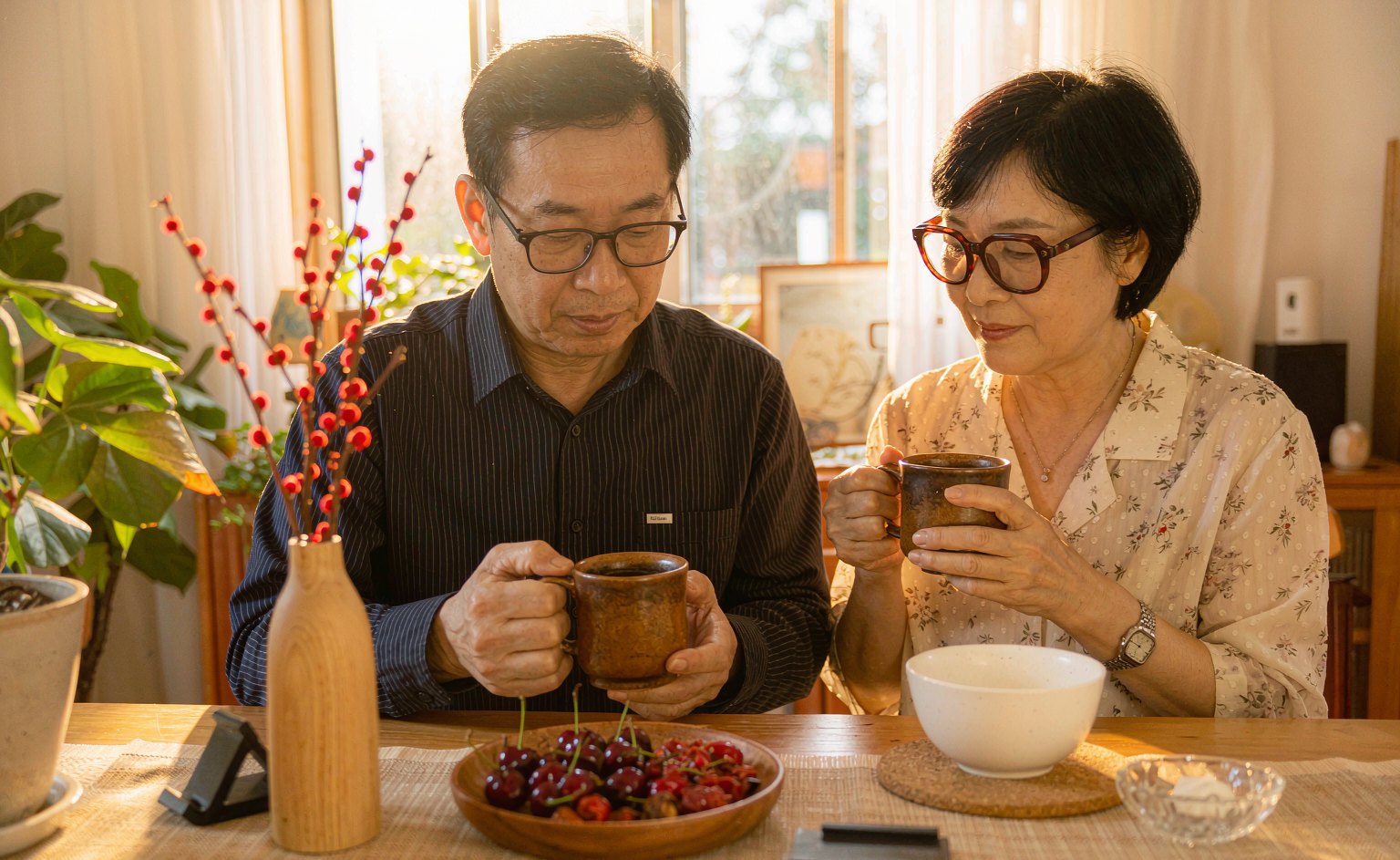
Caring for yourself is a slow thing
A good meal, a short rest, one quiet minute — this World Heart Day, any one of them is a fine place to start.
Disclaimer: This page shares traditional food culture and lifestyle habits for general inspiration only. It does not constitute medical advice, diagnosis or treatment, and no results are promised. If you feel unwell, please seek care from a qualified health professional.