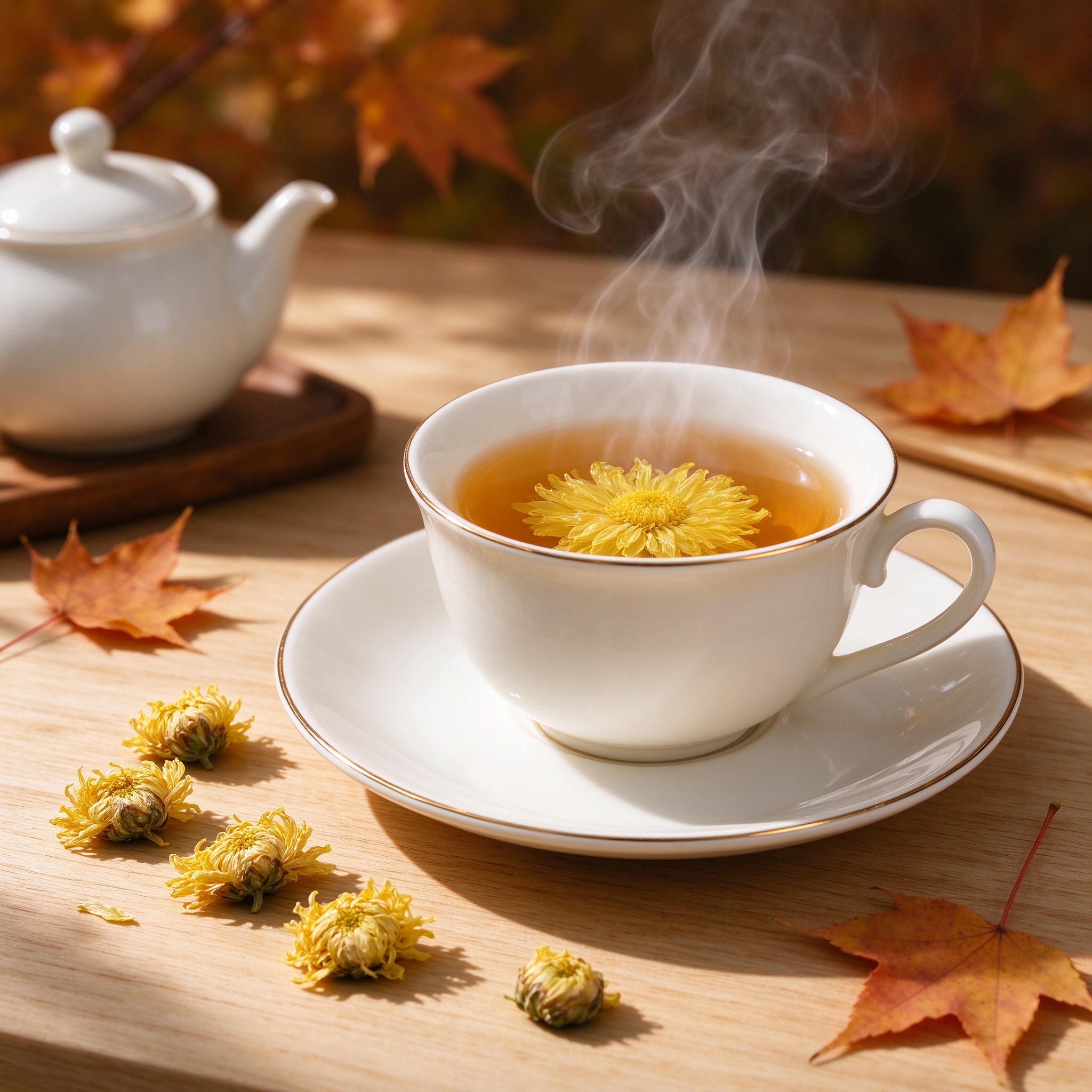
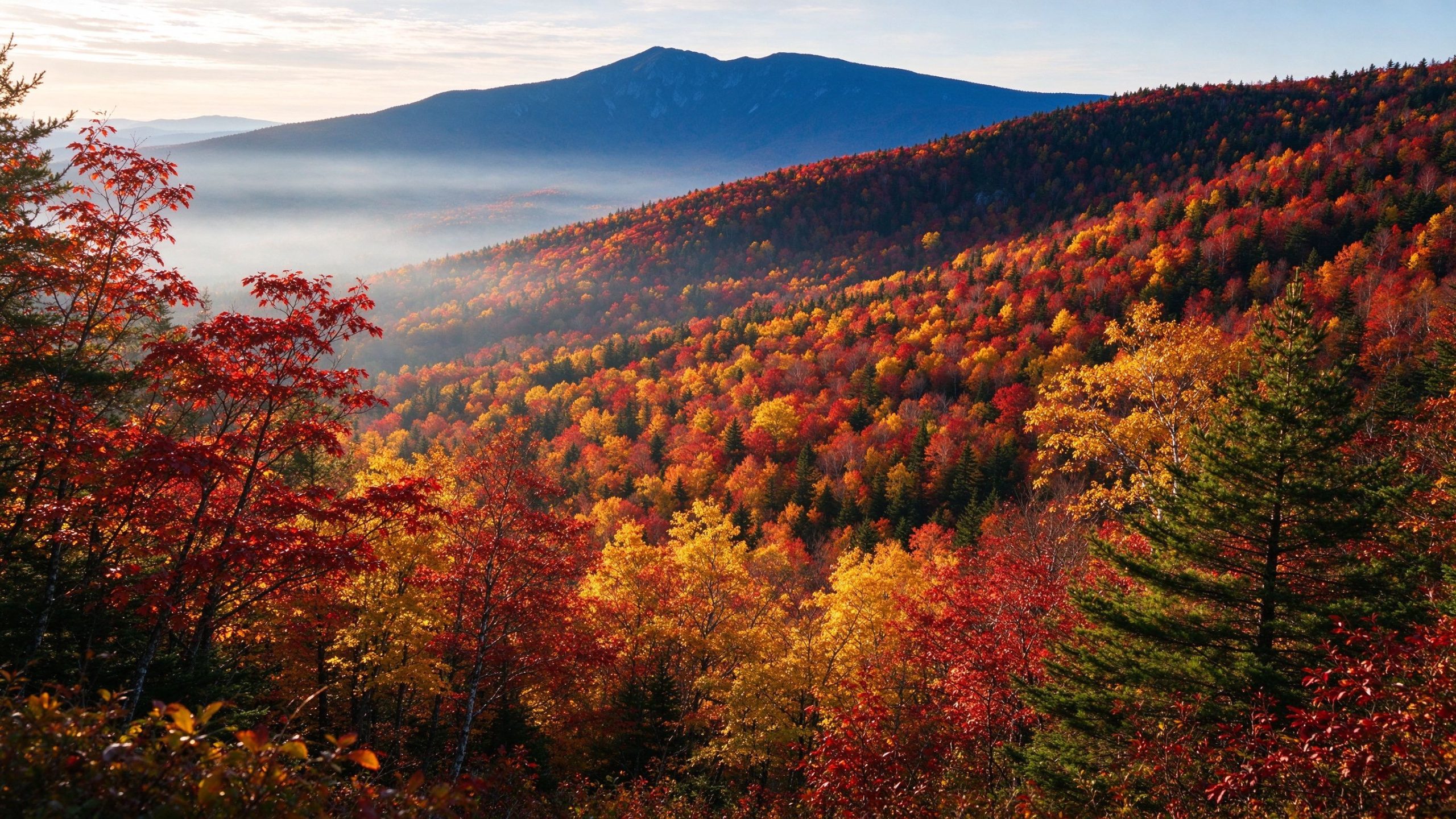
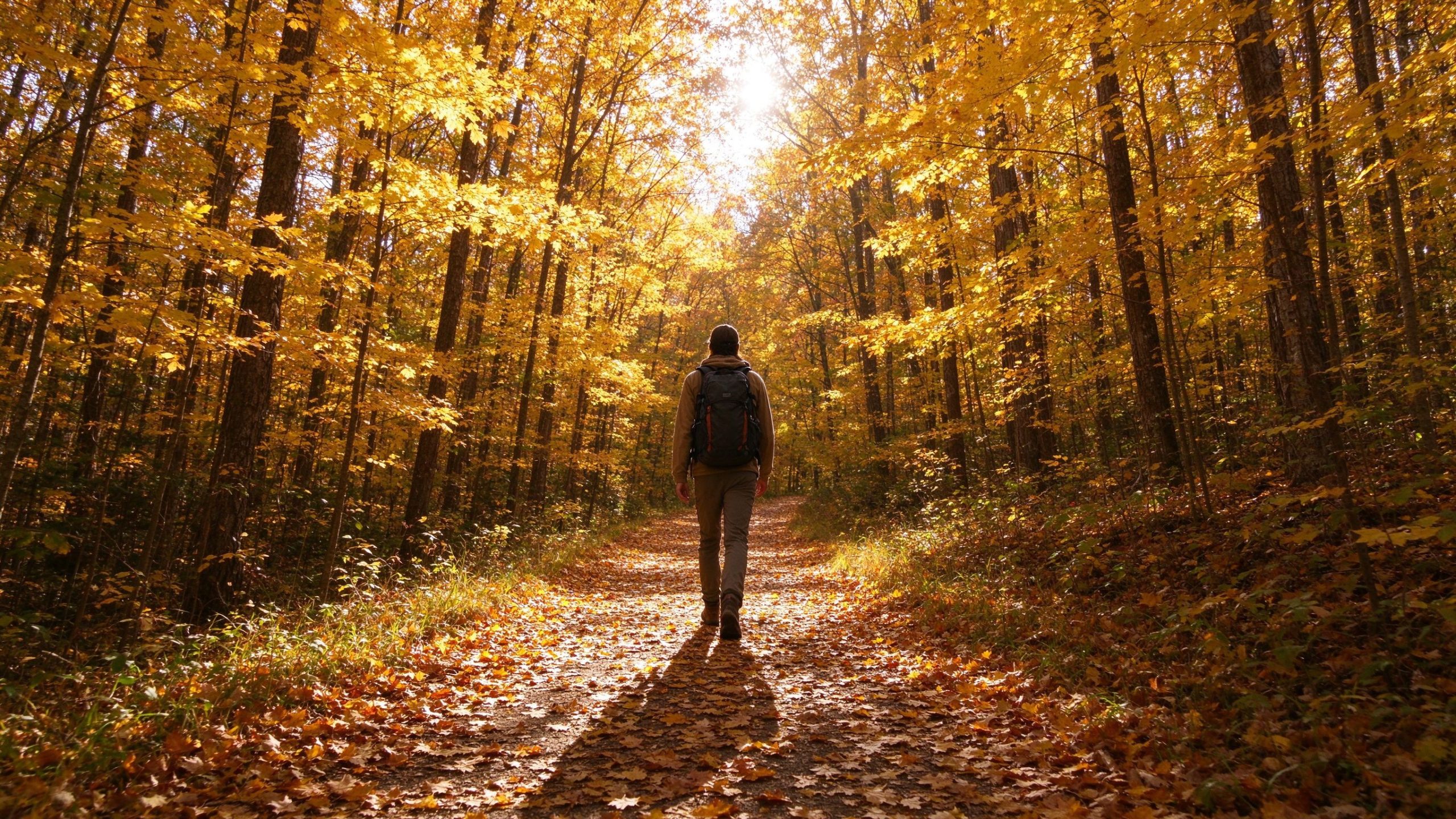
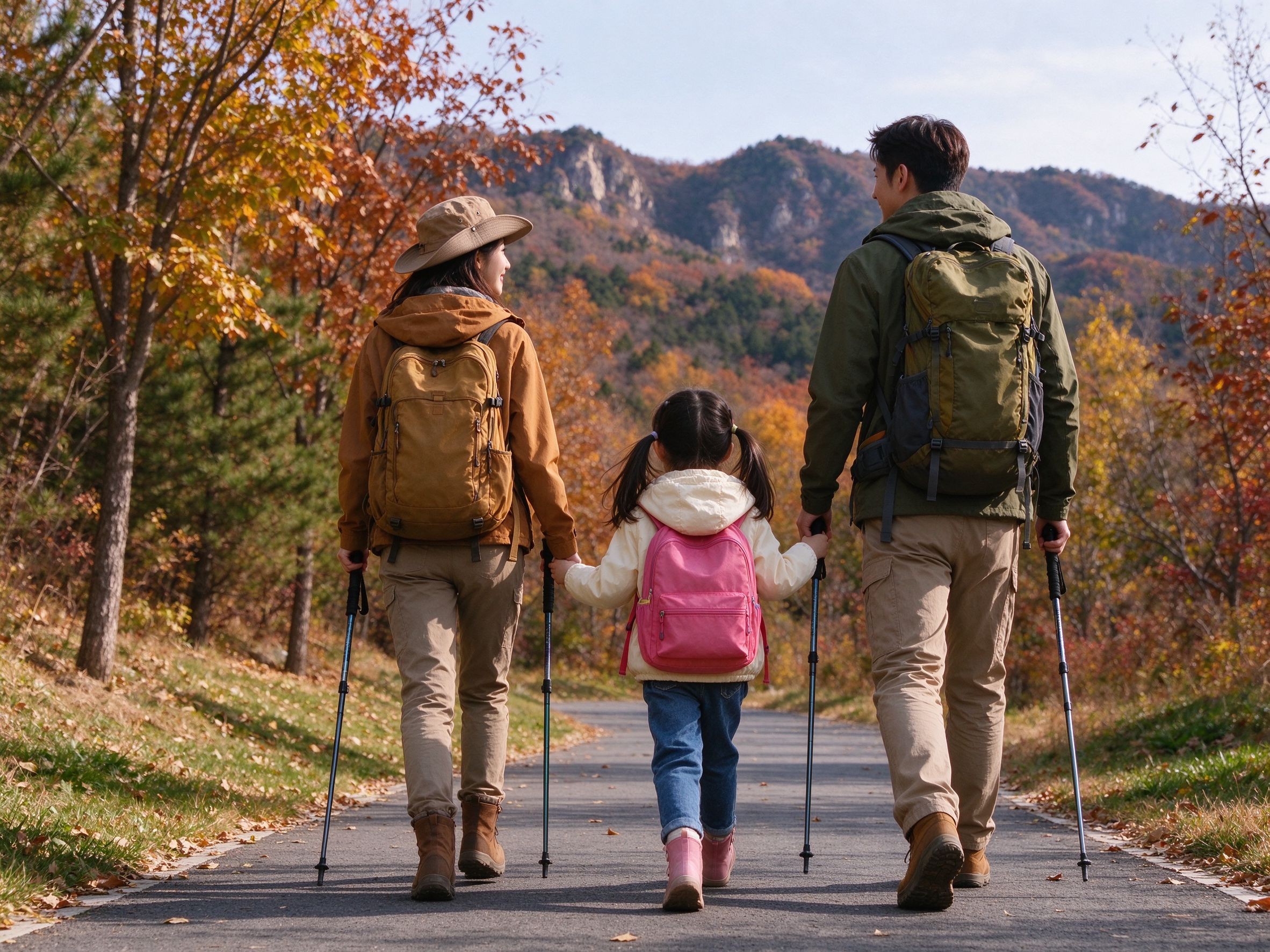
The Double Ninth Festival is almost here — and this year it falls on a weekend. Don’t spend it indoors. Grab your hiking shoes and head for the hills: chrysanthemum tea, a sprig of zhuyu, and a climb to the high places. That is how the festival has been kept for over a thousand years.
The Double Ninth Festival: Three Things, Done for Centuries
China marks two traditional wellness festivals every year: the Dragon Boat Festival on the fifth day of the fifth lunar month, and the Double Ninth Festival on the ninth day of the ninth.
Each has its own character. The Dragon Boat Festival was called the “hygiene festival” — a day for guarding against the pests of early summer. The Double Ninth Festival, in turn, was known as the “longevity festival,” devoted to the elders and to long life — which is why it is now also celebrated as Senior Citizens’ Day. On this day, every detail has meaning, and the single most important thing is the mountain climb.
Why Does Autumn Send People Up the Mountain?
The ancients were devoted to the rhythm of the seasons, and each season had its own landscape. In spring, you went to the water; in autumn, you went to the mountain. Behind it lies a quiet philosophy.
Two great outdoor festivals fall exactly half a year apart. On the third day of the third month, the “Green Welcome” festival greeted spring at the riverside — people bathed and played in the water as the world turned green. On the ninth day of the ninth month, the Double Ninth Festival bids the season farewell: the “Farewell to Green” — you climb high to take a last look at the greening world before it fades.
And there is a practical side too. Autumn air is clear and visibility is at its best, so a summit rewards you with a view that stretches for miles — a sense of openness no living room can offer.
Pick a Wooded Mountain — a Waterfall Is Even Better
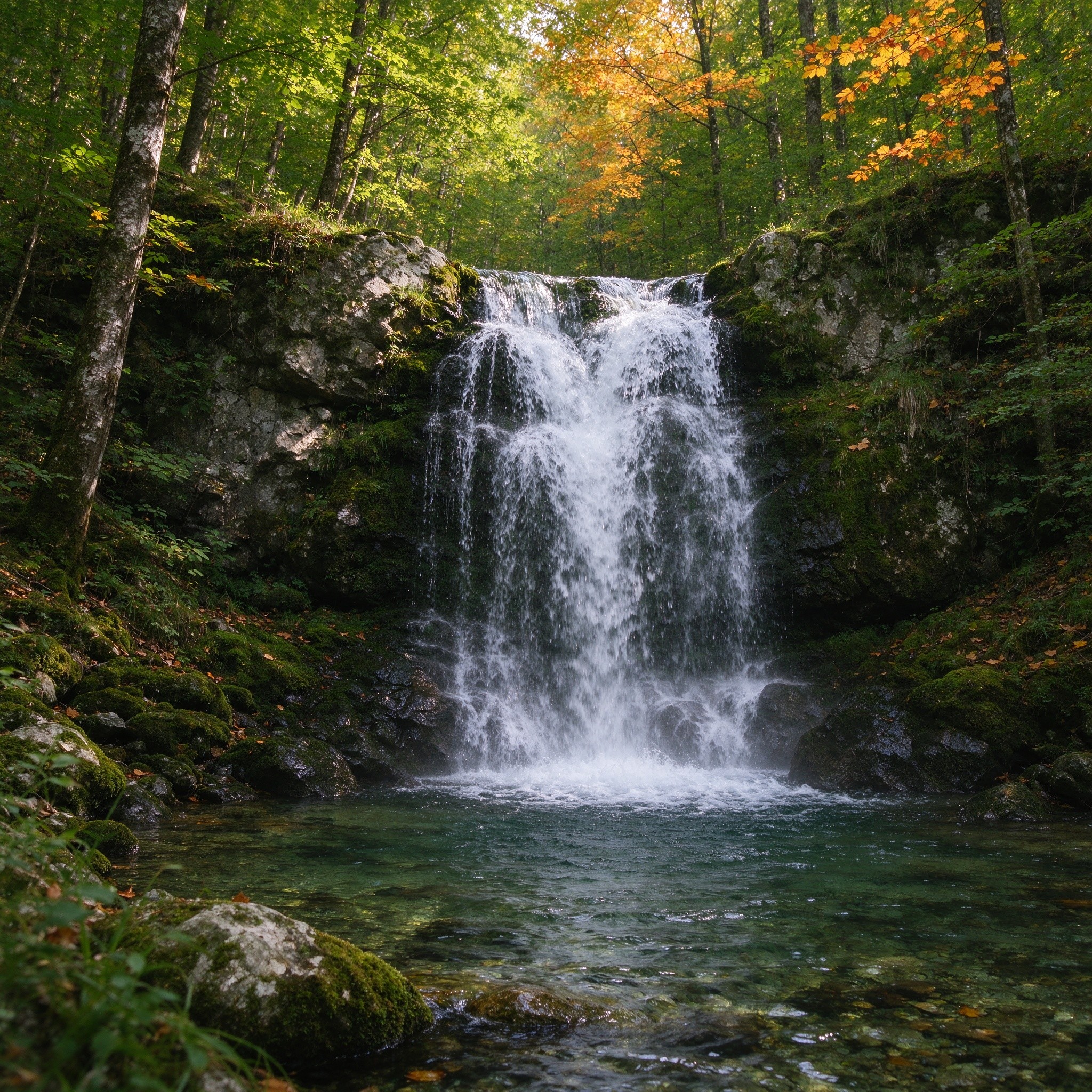
Not every hill will do. Choose a mountain covered in trees — and if it has a waterfall, even better.
Deep woods carry the aroma of leaves and bark, and the air feels astonishingly fresh. You may have heard of “negative air ions” — tiny charged particles that are especially plentiful around forests and waterfalls. They bind to dust in the air, which is why forest air can feel “clean as rain.” Step into a grove, take a few slow, deep breaths, and you will feel it yourself: the air is crisp, and so is your head.
How Does a Day in the Mountains Feel?
Ask anyone who has tried: you come down hungry, and food tastes wonderful; you sleep deeply — head on the pillow, and the day simply ends; and you wake up lighter, without that sluggish, “not quite rested” feeling.
Autumn tiredness is real, but you don’t have to push through it. Give your lungs a few hours of mountain air, and your body will do the resetting on its own — no gadgets required.
The ancients had no word for ions or fresh-air science, yet they knew, generation after generation, that autumn belongs on the mountain. They lived close to nature and followed its calendar: when to go, where to go — they always had a plan.