It is the golden lining inside a chicken gizzard — peeled, sun-dried and ground into a fine powder. This guide explains in plain language what it is, how families use it, how to choose a good batch, and what to keep in mind before you try it.
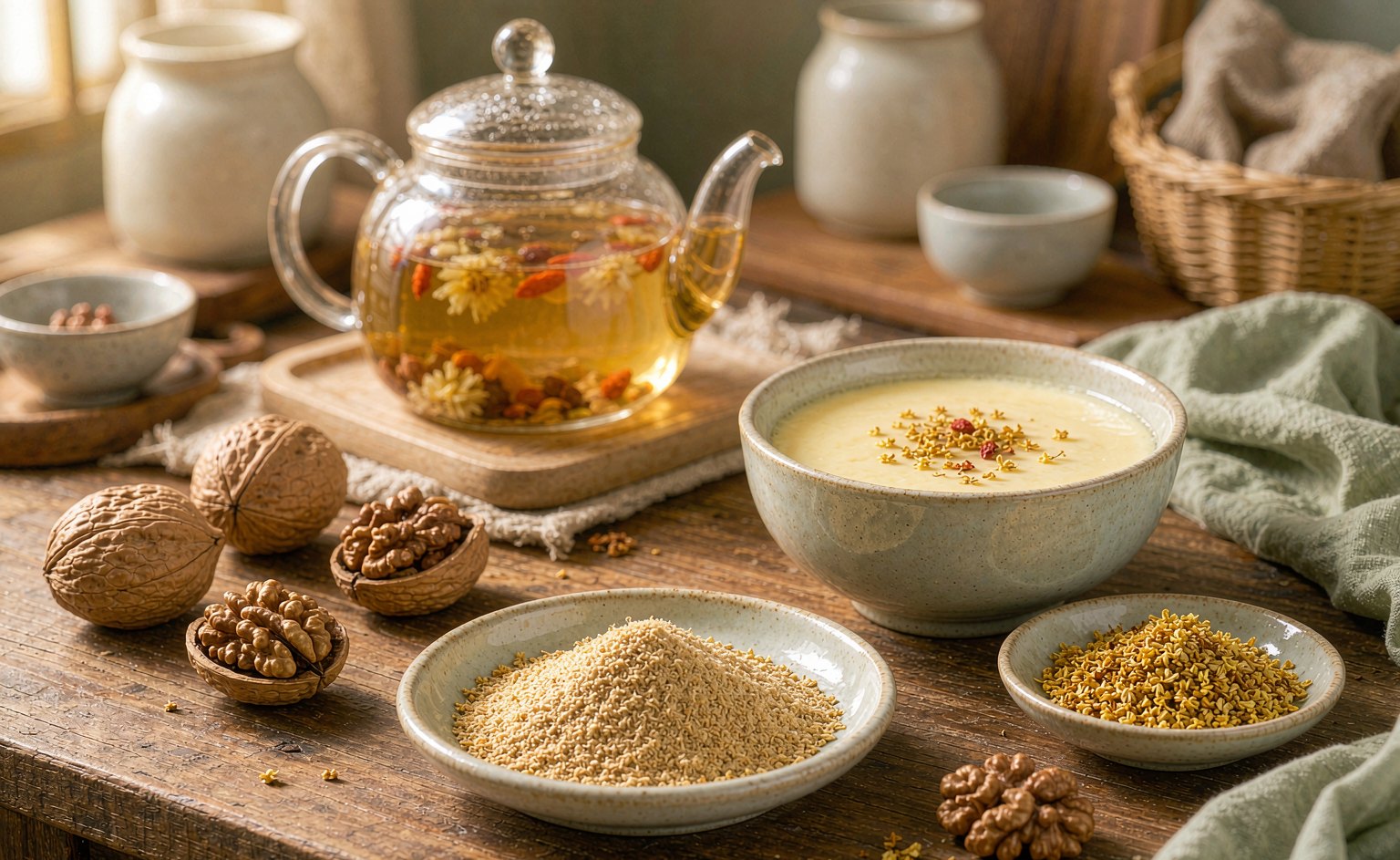
Everyday moments where this humble powder shows up
None of these are unusual — they are simply part of ordinary home cooking, which is exactly why the ingredient stayed in family kitchens for so long.
After a feast
Holiday dinners and hotpot nights back-to-back. Something light and clean-tasting sounds just right.
Desk-bound days
Long hours seated, takeout that is heavy on oil — grandparents always had a pinch of this on hand.
Alongside nourishing foods
During the autumn and winter eating season, families often pair it with richer dishes for balance.
Fussy little eaters
Rolled into honey bites or lollipops, it turns into a sweet children happily reach for.
The golden lining of the chicken gizzard
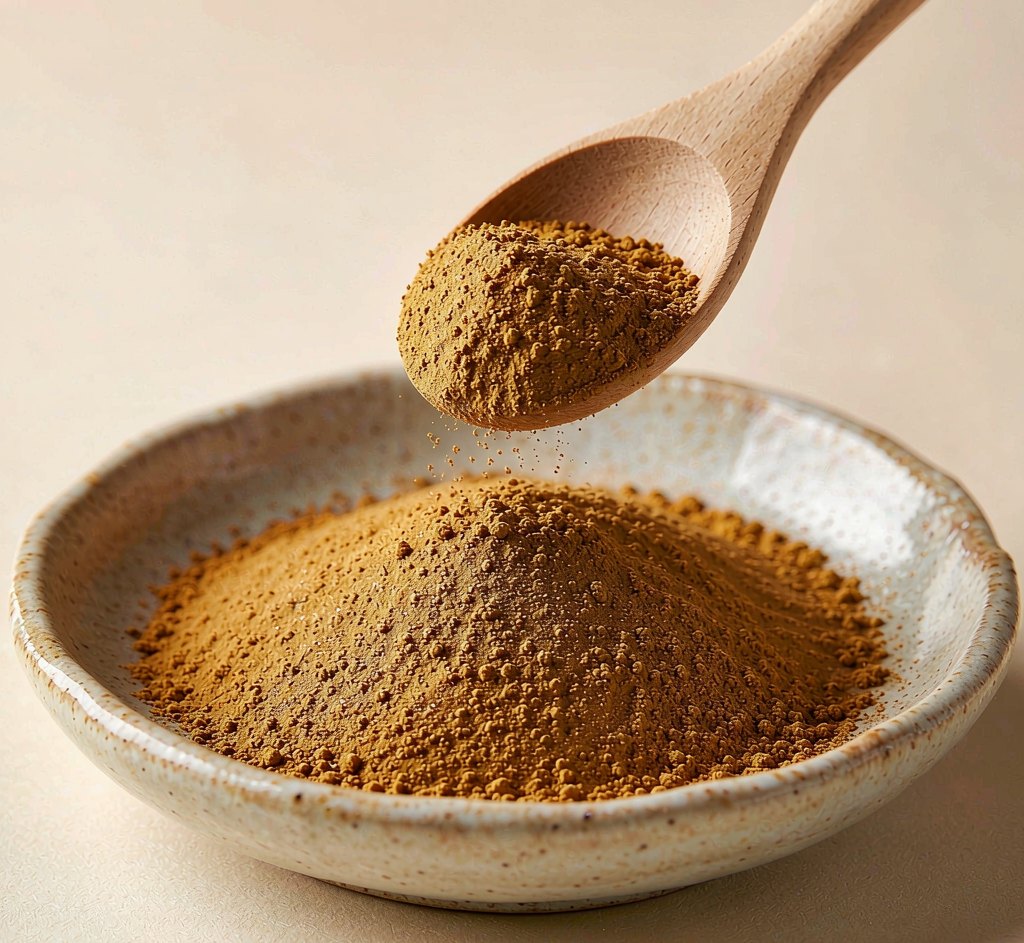
A chicken has two stomachs. The one people love to eat — the gizzard — is lined on the inside with a golden, slightly translucent membrane. Peel it off, wash it, dry it in the sun, and you have chicken gizzard membrane, known in Chinese as Ji Nei Jin.
Because the dried membrane is tough, the old method was to pan-toast it first so it could be milled. Modern grinding equipment does the job with the raw material, giving a finer powder that stirs easily into steamed egg or warm water — a better fit for a busy kitchen.
With walnut or poria: two easy combinations
Both pairings are long-standing home habits. One is savoury and nutty, the other light and mild — pick whichever suits your table.
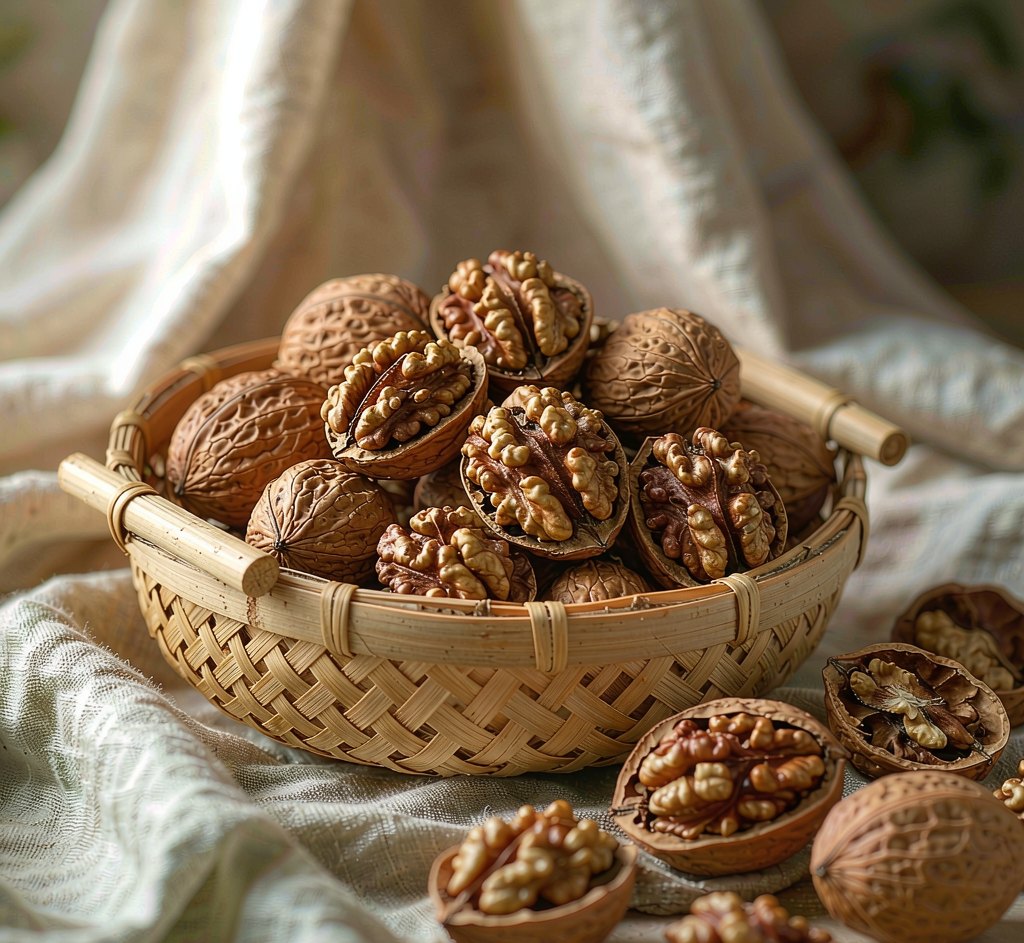
With walnut
Toasted walnut brings a rich, crunchy note. Fold both into steamed egg and the earthy aroma of the powder fades into the background.
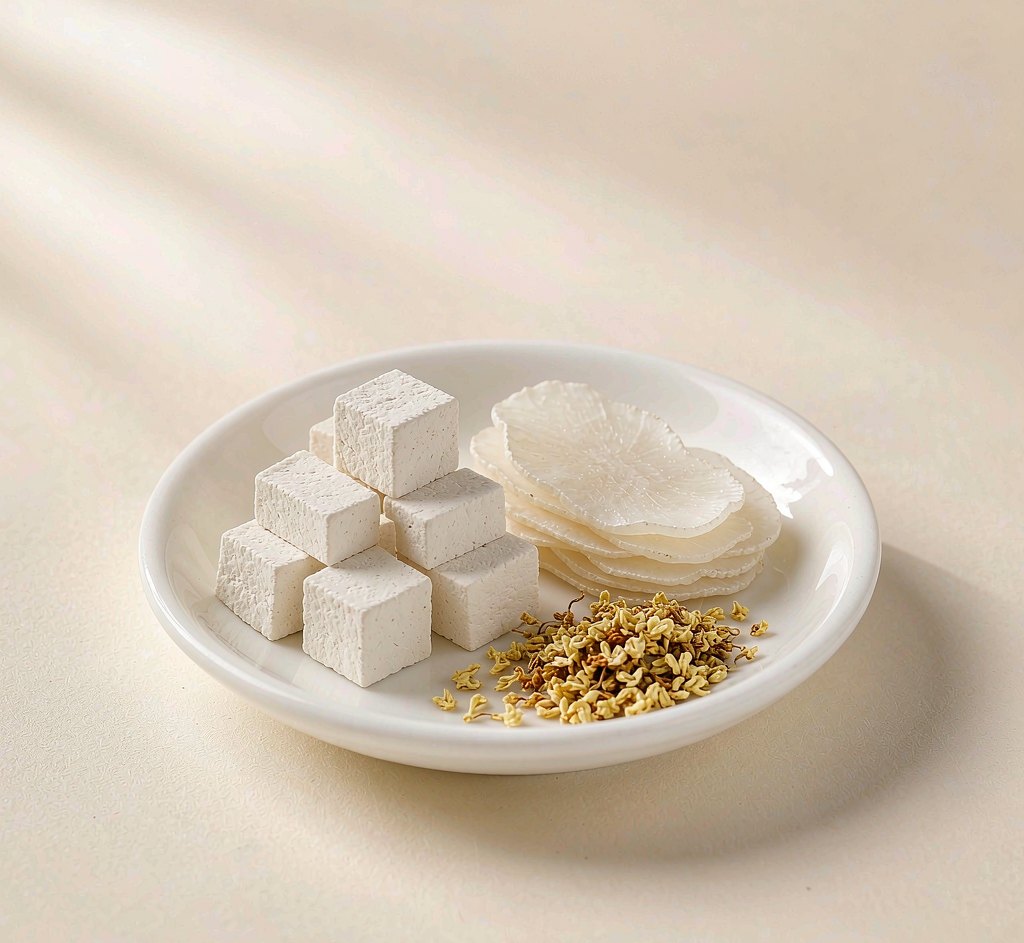
With poria
Poria powder is white, fine and almost neutral in taste. In southern China it is often mixed with warm water into a smooth paste, or stirred into congee.
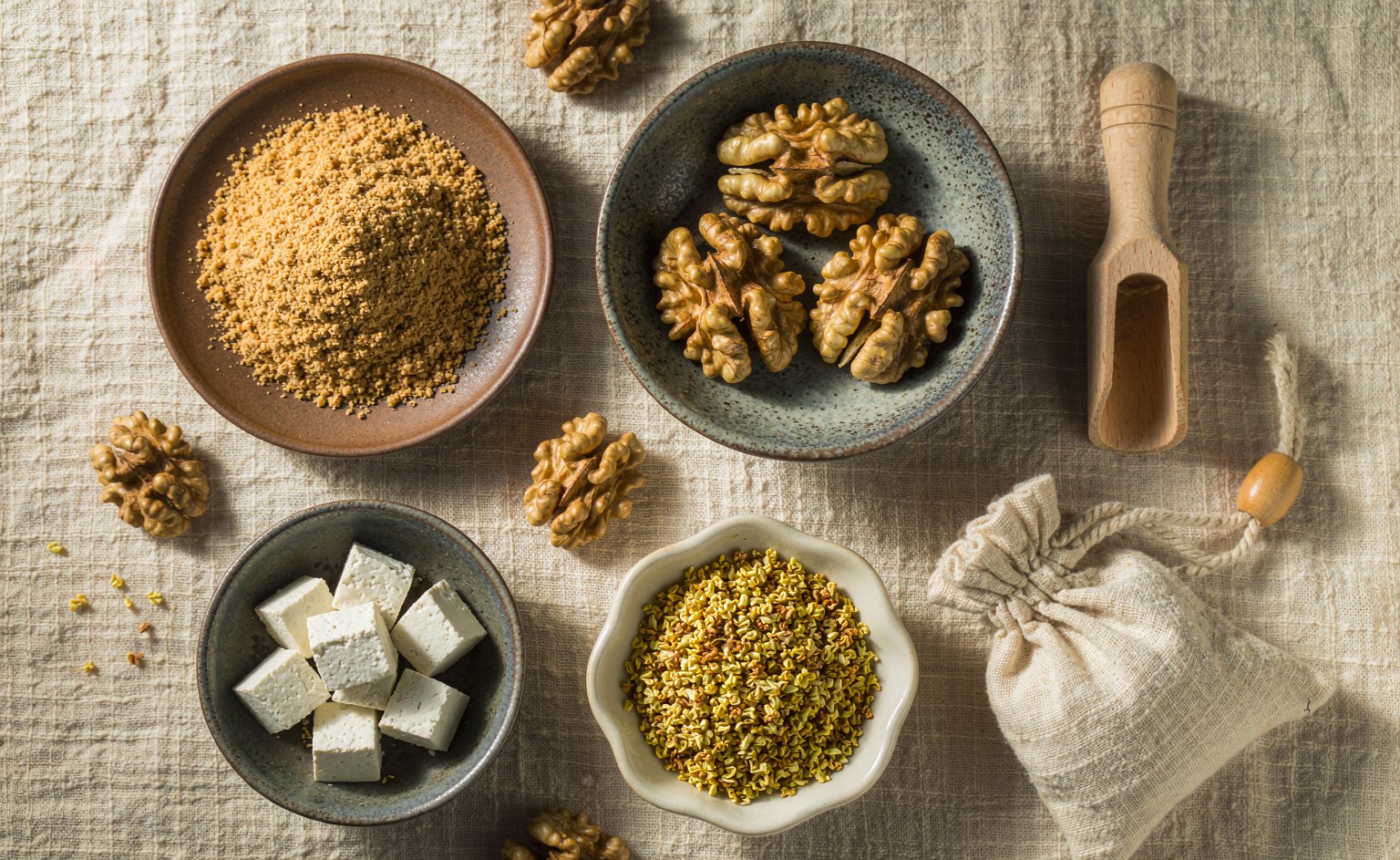
All three, ready to go
Decant the powder, crushed walnut and poria into small jars on the counter, then take one spoonful of each at breakfast time.
Three simple ways to make it taste good
On its own the powder has a faint savoury aroma that not everyone enjoys in plain water. These three methods are easy to repeat at home, and every ingredient is available in Asian groceries or online.
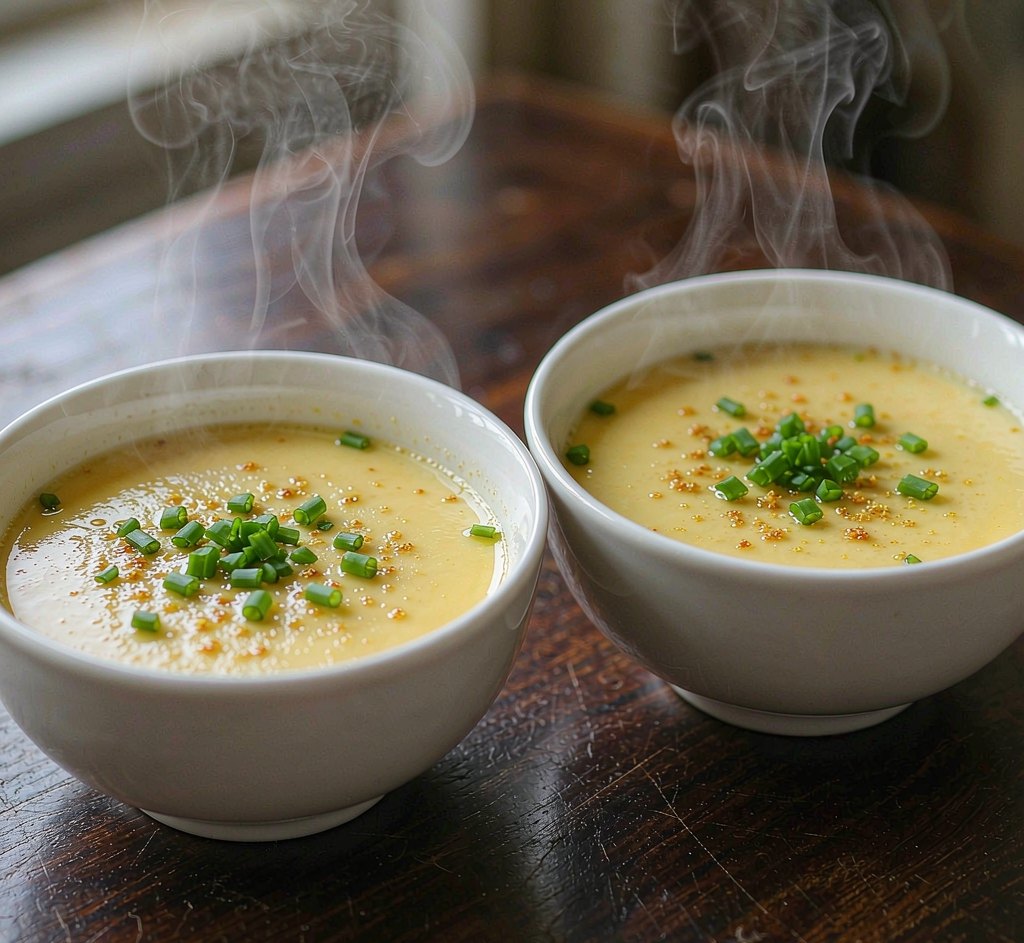
Steamed egg with walnut
- Beat the eggs with warm water at roughly 1:2, add a spoon of oil
- Stir in the powders, crushed walnut, a pinch of white pepper and salt
- Skim the foam and steam over medium heat for 10–12 minutes
- Finish with a few drops of sesame oil and chopped scallion
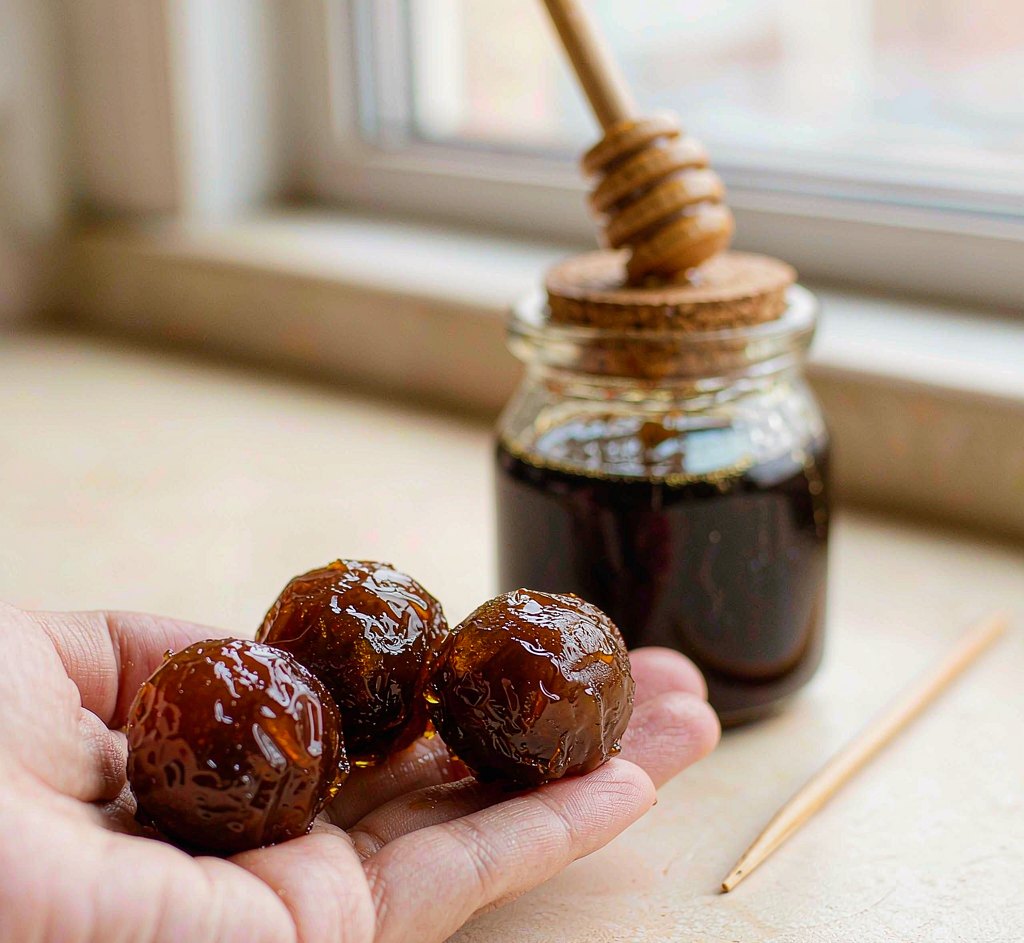
Homemade honey bites
- Mix the powder with honey 1:1 into a soft, non-sticky dough
- Roll into small balls the size of a soybean to a peanut
- Wrap each one in rice paper or baking paper, keep refrigerated
- One or two a day, enjoyed slowly like a sweet
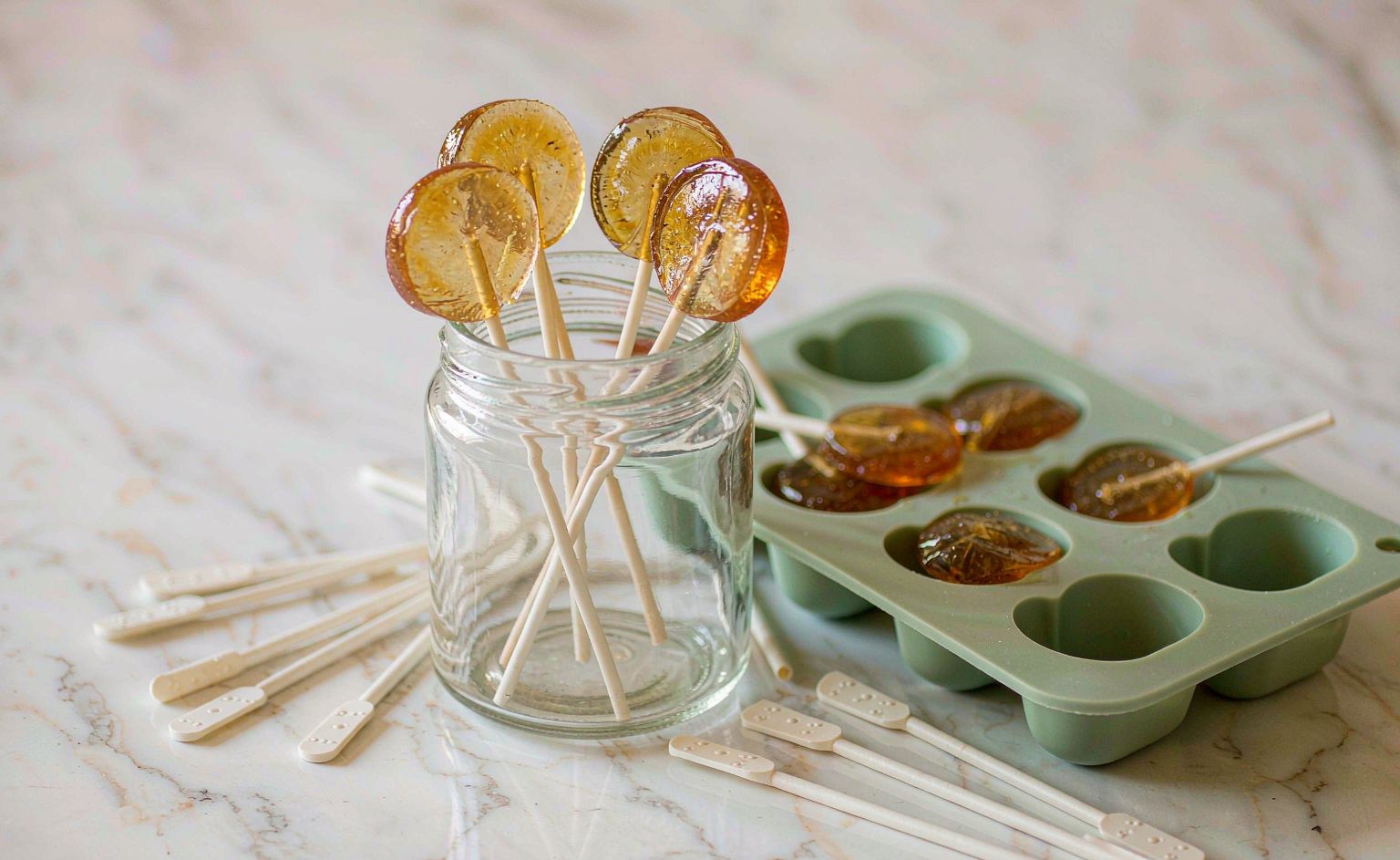
Poria lollipops
- Melt maltose and rock sugar with a little water, stir in both powders
- Boil until bubbling; drop a little syrup into cold water — it should set
- Lower the heat and spoon the syrup into lollipop molds
- Cool completely, then bag them; chilling makes them easier to release
A note from the kitchen: a little goes a long way in sweets — one small spoon per batch is plenty. A touch of food colouring, milk powder or ginger juice is a nice way to make them your own.
How to choose: four checks that screen out bleached or dyed batches
Adulterated batches do turn up in the market — duck or goose membrane whitened and dyed to pass as the real thing, or fillers added for weight. These four checks catch most of it.
Colour
Expect golden to yellowish-brown with natural variation. A bright, uniform white or a glaring yellow usually means it has been processed.
Texture
Fine lengthwise grain, slightly powdery under a fingernail. A glossy, rubbery or overly smooth surface is worth a second look.
Smell
A faint dried savoury aroma is normal. Sour, musty or sharply chemical notes mean it is past its best — put it back.
Powder quality
Look for an even, fine powder without visible grit. Finely milled powder disperses better in water and does not clump.

A few practical notes
Please keep in mind
- Chicken gizzard membrane is a traditional food ingredient, not a medicine. It is part of everyday cooking and is not intended to address any health condition.
- Anything made with honey — including honey bites and lollipops — must not be given to infants under 12 months.
- If you are pregnant, breastfeeding, cooking for a small child, managing a health condition or taking medication, please check with your doctor or a registered dietitian first.
- Buy from established suppliers with clear labelling; skip unbranded loose products of unknown origin.
- A little, regularly, alongside other foods is the traditional approach — there is no reason to chase a large dose.
The four questions we hear most
What exactly is chicken gizzard membrane?
It is the golden inner lining of the chicken gizzard. Peeled, washed and dried, it forms thin sheets in shades of gold to brown that are ground into a powder used in everyday home cooking.
How much, and when do people usually have it?
The traditional approach is a small spoonful regularly rather than a large amount at once — often after a big meal, or at breakfast with steamed egg, congee or warm water. Adjust to your own needs and ask a professional first if you are in a special group.
Why does it have a savoury, slightly earthy smell?
A faint dried aroma is completely normal for the ingredient. Steaming it with egg, rolling it into honey bites, or stirring it into congee and rice porridge are the common ways to soften that note — nuts help a lot here.
What is the difference between raw and pan-toasted powder?
Dried membrane is hard, so the traditional method toasted it before milling. Modern mills grind the raw material fine enough for the same convenience, giving a smoother powder that is easier to stir in.
Bring a piece of the Chinese kitchen into yours
One small dish of powder, a handful of walnuts, a spoon of poria. Steamed egg, honey bites, lollipops — no special equipment, no complicated rules. Just follow along.
Save the three recipesNote: this article is based on traditional Chinese food culture and publicly available general knowledge, shared for everyday cooking reference only. It is not medical advice and makes no claim about preventing, relieving or improving any health condition. All methods described are ordinary home cooking with food ingredients — please make your own informed choices, and consult a qualified healthcare professional or dietitian with any health questions.