Autumn's #1 Healing Soup | Yin Nourishment · Kidney Wellness · Incredibly Delicious
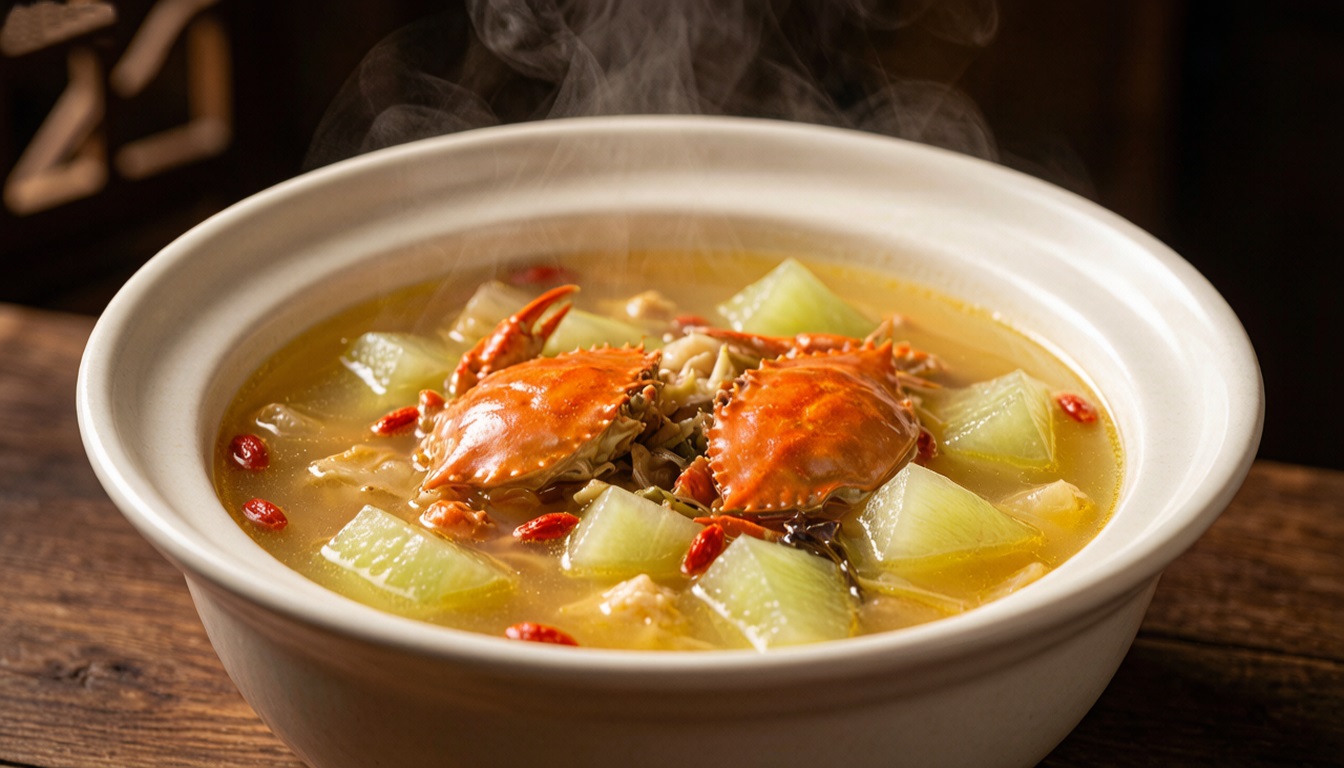
The Yin-Nourishing Crab Soup — a gentle, traditional recipe for autumn wellness
Mid-Autumn marks the start of crab season. While crabs are naturally cooling in nature, when prepared the right way, they become a powerful ally for your body's yin balance. Today I'm sharing my go-to nourishing crab soup recipe — made with crab, winter melon, and Rehmannia root. It's flavorful, gentle, and perfect for the whole family.
🦀 Why Crabs Are More Than Just a Delicacy
Throughout Chinese wellness tradition, crab is valued not only as food but also as a nourishing ingredient. Here's how it supports your body:
Supports the body's natural fluids, easing dryness and restlessness
Helps maintain a healthy stomach environment and comfort
Dry, tired eyes are often linked to liver yin deficiency — crab may help
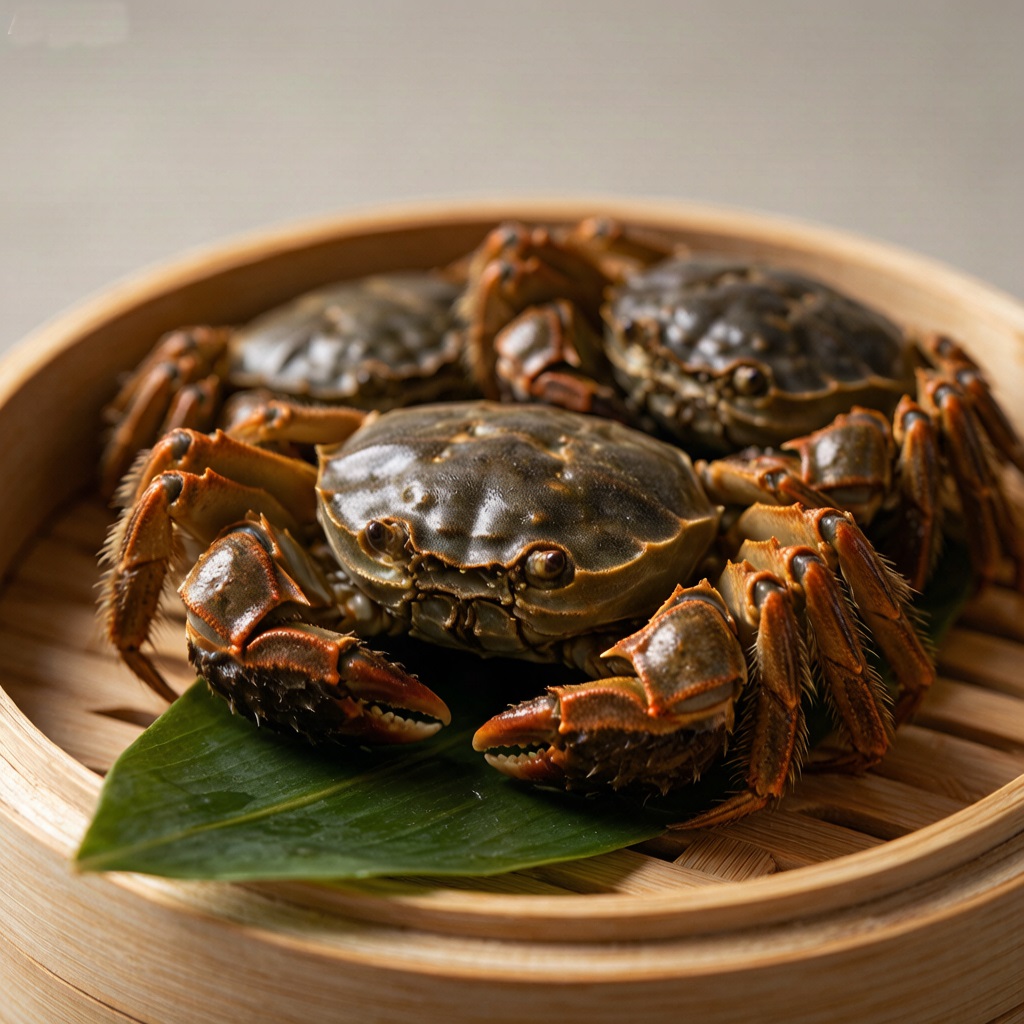
Who Benefits Most from Eating Crab?
- Often stay up late and experience dry eyes or dry mouth
- Feel inner heat (warm palms, soles, or irritability at night)
- Are recovering from illness and need gentle nutritional support
- Have a heat-prone constitution and want to balance naturally
🍲 The Yin-Nourishing Crab Soup — A Traditional Recipe
The magic of this soup lies in the combination of crab + winter melon + Rehmannia root. Winter melon naturally balances crab's "发" (FA: releasing/nurturing) properties, helping reduce the likelihood of food sensitivities. Rehmannia root adds a gentle, cleansing depth to the broth.
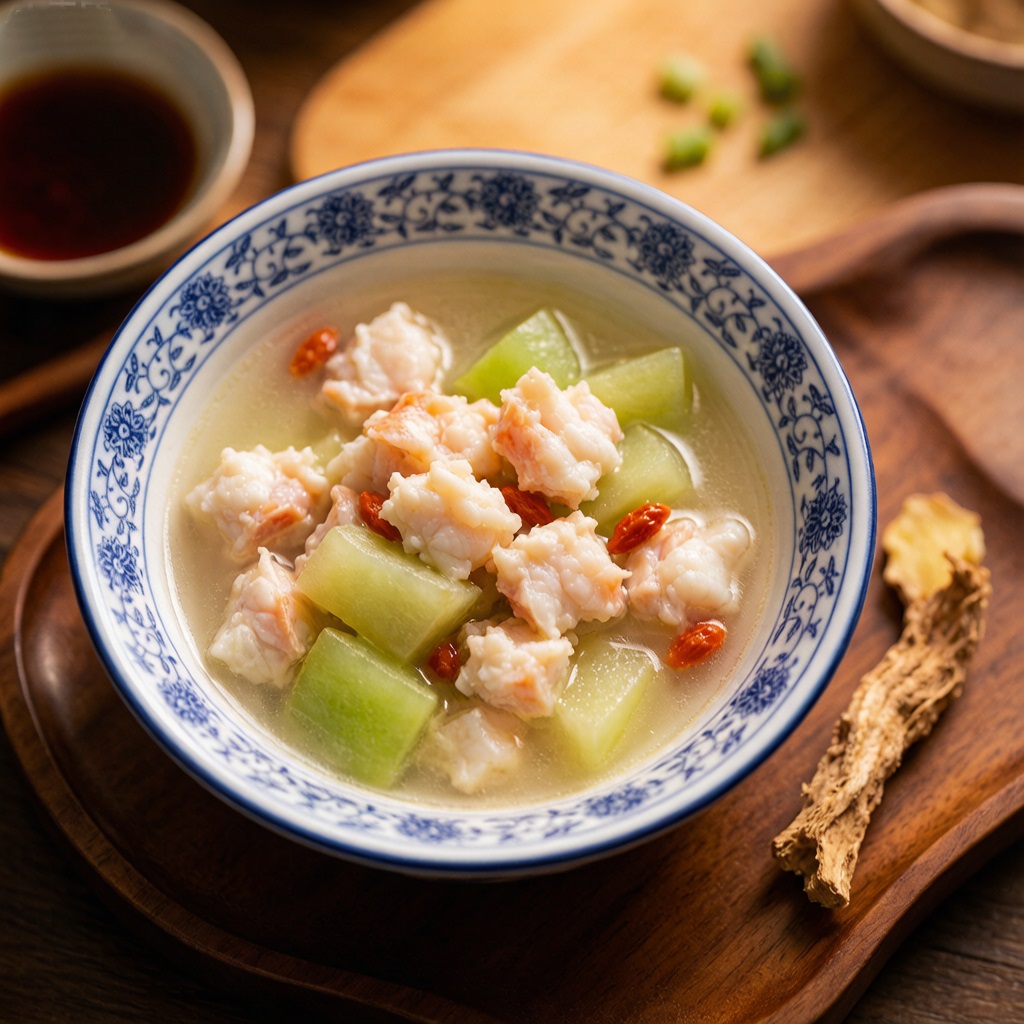
🥘 Yin-Nourishing Crab Soup — Step-by-Step
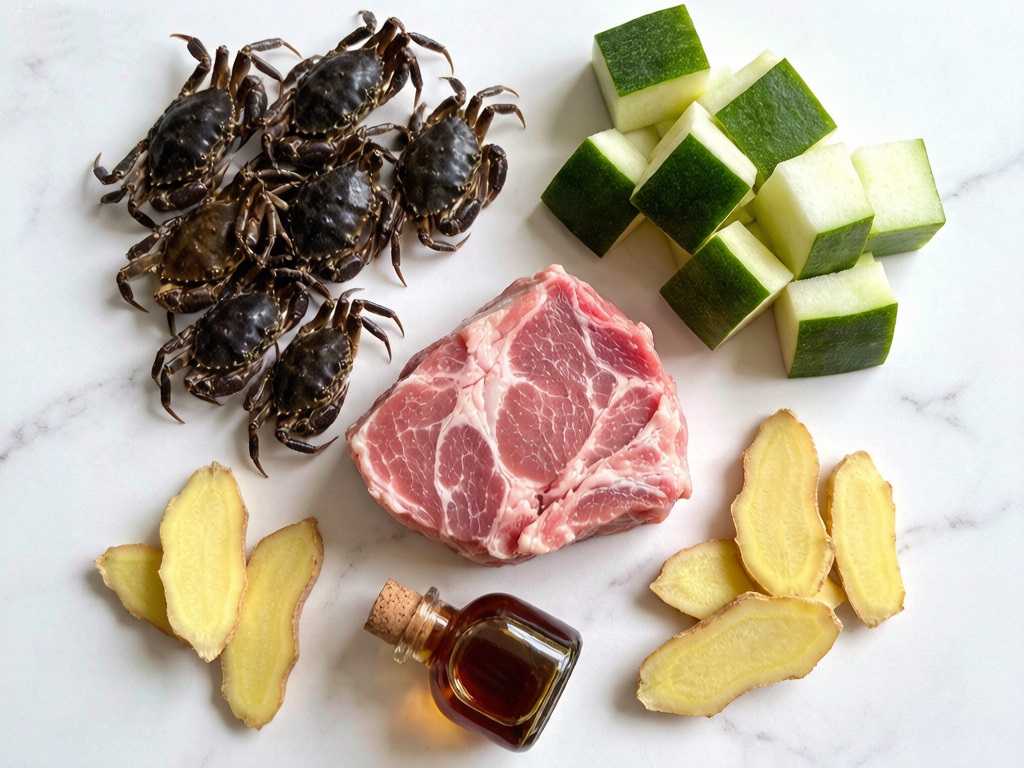
Main Ingredients
- Small crabs (river crabs or stone crabs) — 250g (about 0.5 lb)
- Winter melon — 250g (0.5 lb), peeled and cubed
- Rehmannia root (dried) — 30–60g
Supporting Ingredients
- Fresh ginger — 3–5 slices
- Chinese cooking wine (Huangjiu) — a splash
- Pork fat — 1 small piece (for the broth base)
Instructions
✨ Who Is This Soup For? What Are the Benefits?
Helps the body manage autumn dryness and internal heat naturally
Gently supports the body's yin reserves during seasonal transition
Rich, savory flavor without heaviness — loved by both young and old
A food-based approach, unlike concentrated supplements
🦀 How to Choose & Eat Crabs for Maximum Benefit
You don't need expensive Dungeness or hairy crabs for this recipe! Smaller, more affordable varieties like river crabs or stone crabs are equally nourishing and make this soup accessible to everyone.
Quick Tips for Choosing Fresh Crabs
- Pick live crabs with active legs and responsive eyes
- Smell test: fresh crabs have a clean, oceanic scent — no off odors
- Check the shell: bright, firm, and full shells indicate quality
- Always cook thoroughly — never eat raw or undercooked crab
This Autumn, Make a Pot of Nourishing Crab Soup
Simple ingredients, easy steps, incredible flavor.
Once a week from Mid-Autumn to early winter — a gentle, wholesome tradition for the whole family.
*This article shares traditional food wisdom for informational purposes only. It is not intended to diagnose, treat, or prevent any health condition. Please consult a healthcare professional for personalized advice.*